

Contact lenses do a lot of work for something so small. However, they sit right on the surface of your eye all day, which puts them in direct contact with your tear film, the layer of moisture that keeps your vision clear.
So if your lenses feel great at breakfast and scratchy by 3 p.m., your tears are worth a closer look. Same goes if you’re reaching for dry eye drops more often than you used to.
Yes, contact lenses can affect your tear film because they sit on top of your tears and speed up how fast moisture evaporates from your eyes. A well-fitting lens and a few small habits can make your wear time much more comfortable, and a contact lens exam is where that starts.
What Your Tear Film Actually Does
Every blink spreads a fresh coat of tears across your eye. That coat, your tear film, works in 3 layers:
- An oily outer layer that slows evaporation
- A watery middle layer that keeps the surface moist
- A mucus layer that helps everything spread evenly
When those layers stay balanced, words on a page look sharp and your eyes feel calm well into the evening. A dip in any one of them can leave you blinking hard to clear your vision.
How Contacts Change Your Tear Film
A contact lens rests right on top of your tears. That means it touches your tear film and can throw off the balance between those 3 layers. With the lens in place, tears can evaporate faster than they do on their own.
Some lens materials also draw water from your eyes to stay soft and flexible. That’s why your eyes can feel tired and dry by evening even though they felt fine when you put your lenses in.
Lens Material Matters More Than You’d Expect
Older hydrogel lenses tend to pull more moisture from your eyes as the hours add up. A high water content may sound appealing, but those lenses often dry out faster and take part of your tear film with them.
Silicone hydrogel lenses let more oxygen reach the surface of your eye, which can help your lenses feel fresher during longer wear. Your prescription, eye shape, and daily routine all factor into which material suits you, so bring your comfort concerns to your next exam.
Fit and Wear Habits
A lens that sits too tight or slides around rubs with every blink. Long days back to back also give your eyes less recovery time between wears, which adds up fast during a busy week.
Avoid sleeping in your lenses unless yours are approved for overnight wear. Otherwise, you’re likely to wake up with dry, scratchy eyes.
Signs Your Tear Film Needs Attention
Your eyes usually let you know when something feels off. Watch for these signs:
- A gritty, sandy feeling that builds through the day
- Blurry vision that clears when you blink
- Redness that lingers after you take your lenses out
- Eyes that feel heavy or tired by late afternoon
- Reaching for drops over and over just to stay comfortable
When to See Your Optometrist
Dryness on its own is usually manageable at home. A few symptoms need urgent attention instead:
- Sharp or throbbing eye pain
- Sudden changes in your vision
- Thick or colored discharge
- Strong sensitivity to light
Daily Habits That Help Your Eyes Hold Moisture
Small changes during your day can help your eyes hold onto moisture. When you work at a screen, try the 20-20-20 rule. Every 20 minutes, look at something 20 feet away for 20 seconds. Screens make you blink less, so remind yourself to blink fully and often.
Drink water through the day, especially if coffee is your main beverage. Run a humidifier at home when the air feels dry, too, because winter heating pulls moisture out of a room quickly.
Give your eyes a break from lenses now and then. Wear your glasses on a slow weekend morning and let your eyes rest.
Pick Drops and Solutions Made for Lenses
Check that your drops say they’re safe to use with contacts, because plenty of them aren’t. Rewetting drops are made for this exact job and won’t cloud your vision the way a thicker gel can.
Use fresh solution every time you store your lenses rather than topping off what’s already in the case. Old solution loses its disinfecting power, and a clean case matters as much as clean lenses.
If dryness keeps interrupting your day, ask about daily disposable lenses. A fresh pair each morning means no buildup from the day before.
How an Eye Doctor Can Help
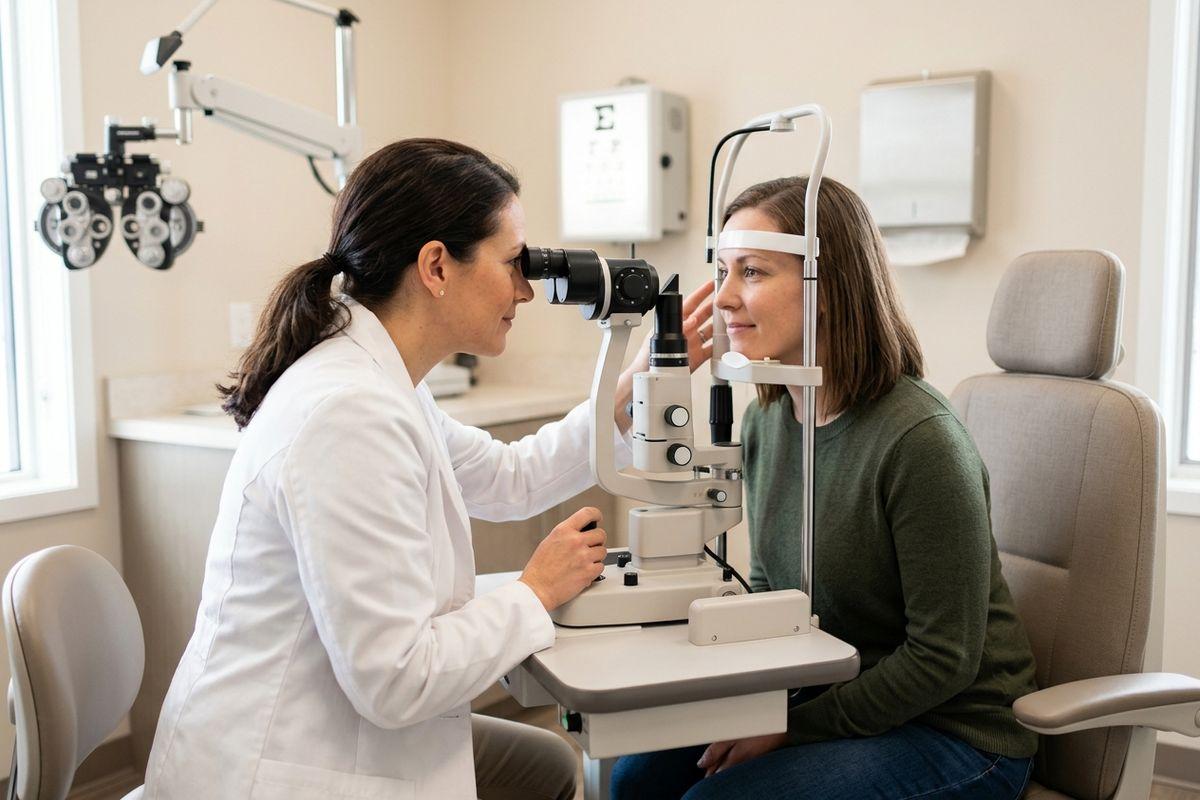
Sometimes home habits are not enough, and that is where a checkup helps. An eye doctor can run quick tests that measure how much tear you make and how long your tear film stays stable. Those numbers tell a clear story about what your eyes need.
The optometrist can also check how your lenses fit and whether the material suits your eyes. From there, you can build a plan for comfortable wear that fits your work, your screen time, and your lifestyle.
Comfortable Contacts Start with Your Tears
Tired, dry eyes at the end of the day happen to plenty of contact lens wearers, and they’re worth mentioning at your next visit. The team at Verona Vision Care takes the time to get to know you and your eyes so you can get care suited to your needs.
Book an appointment and find lenses that feel good from your first cup of coffee to lights out.