

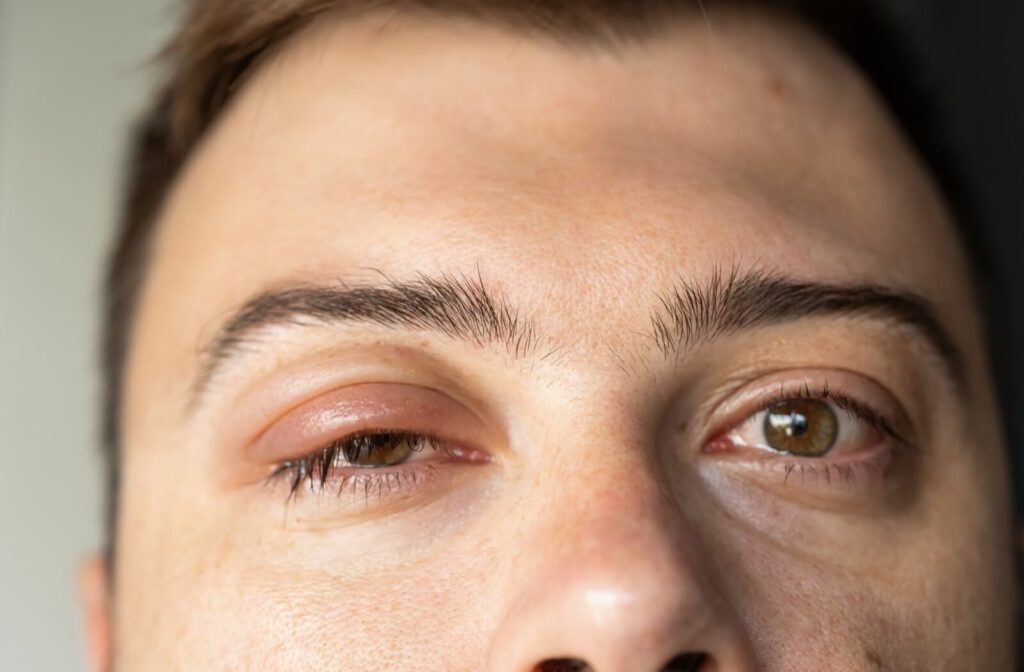
Maybe your eyes feel gritty, like there’s a speck of sand stuck in them, or maybe your vision gets blurry for a moment, only to clear up after you blink a few times. Our team knows that these feelings can be distracting and uncomfortable, and at Verona Vision Care, we want to help you start feeling better. You may have heard of meibomian gland dysfunction (MGD), and maybe you’re wondering if you have it, and what causes it.
MGD happens when the tiny oil glands lining your eyes become blocked, a condition that can be related to age, hormonal changes, and certain health conditions. This blockage disrupts your eye’s natural moisture, leading to the symptoms of dry eye.
What Is Meibomian Gland Dysfunction?
Your Eyelid’s Oil Glands
Along the edges of your upper and lower eyelids, you have dozens of tiny glands called meibomian glands. You can’t see them, but they have a big job. These glands produce an important oil that coats the surface of your eye.
This oily layer is a key part of your tear film. It creates a protective shield that keeps your tears from evaporating too quickly. Without it, your eyes can feel dry and exposed, even if you’re producing plenty of watery tears.
When These Glands Get Blocked
With MGD, the oil produced by these glands can become thick and waxy, like butter instead of olive oil. This change in consistency can clog the glands, preventing the oil from reaching your eye’s surface, which disrupts your tear film and leaves your eyes unprotected from the dry air around you.
This lack of oil is one of the most common causes of dry eye symptoms. Your eyes might feel irritated and sore because they are not getting the smooth, oily coating they need to stay comfortable and hydrated.
Common Causes and Risk Factors for MGD
Several factors can increase your chances of developing MGD. It’s often a combination of things rather than a single cause, and understanding them can help you see why your eyes might be feeling the way they do.
Some of the most common causes include:
- Age: As you get older, the function of your meibomian glands can naturally change, sometimes leading to blockages.
- Hormonal changes: Hormonal shifts can affect the consistency and production of the oils your glands produce.
- Health conditions: Some health issues are linked to MGD, including rosacea and even some autoimmune diseases.
Signs You Might Have MGD
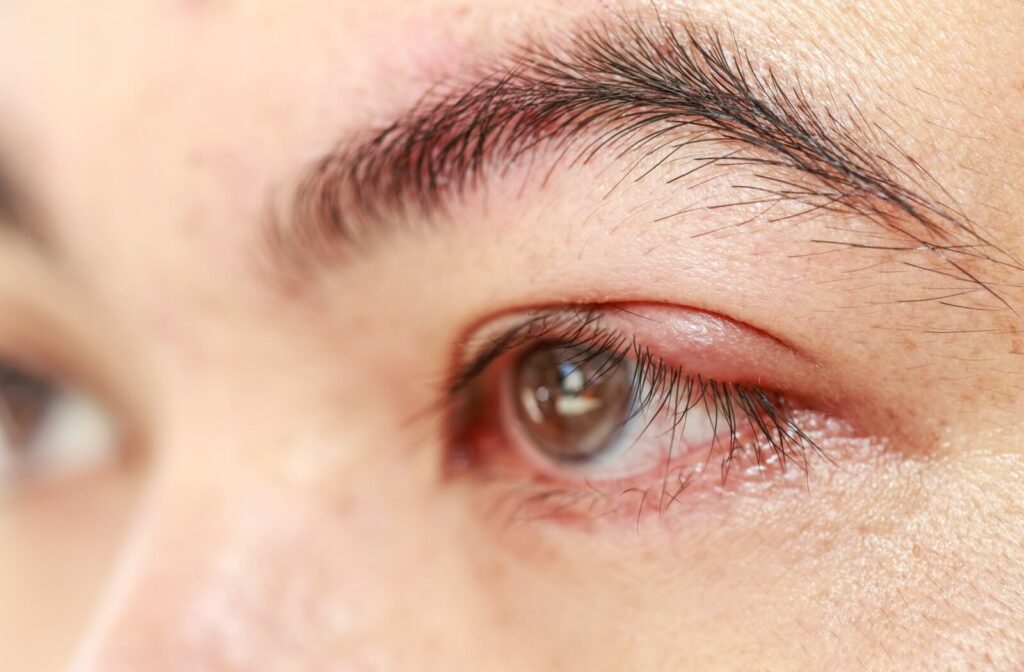
The symptoms of MGD can be easy to dismiss as just “tired eyes,” but they point to an underlying issue. If your meibomian glands are blocked, you might experience a range of sensations that affect your comfort and vision, which are sometimes mistaken for other eye conditions like pink eye or allergies.
While everyone experiences something different, you may notice:
- A gritty or sandy feeling in your eyes
- Blurry vision that comes and goes with blinks
- Red, scratchy, or watery eyes
How to Manage MGD at Home and What to Avoid
Simple Steps for Home Care
You can take simple steps at home to help manage the discomfort of MGD. Adding a few habits to your daily routine can support your eye health and bring some relief. The main goal of these actions is to warm the oils in your glands, which can help them flow more normally. You can try to:
- Use a warm compress on your eyes daily to help soften clogged oils.
- Practice good eyelid hygiene as recommended by a professional.
- Remember to blink often, especially when you are using a computer or phone.
Things That Can Make It Worse
Just as some habits can help, others can make MGD symptoms more noticeable. Being mindful of these factors can help you avoid extra irritation. Protecting your eyes from certain products and environments gives them a better chance to feel comfortable. Be mindful of:
- Heavy or waterproof eye makeup, as it can clog the gland openings.
- Dry environments (like rooms with heaters or air conditioners), which can impact tear evaporation.
- Forgetting to remove contact lenses can make dryness or irritation worse, which is why regular contact lens exams are important.
Professional Treatments and When to See an Eye Doctor
How Your Eye Doctor Can Help
If home care isn’t providing enough relief, professional treatments might be your next step. During a comprehensive eye exam, an eye doctor in Verona can look closely at your eyelids and glands to determine the right approach for you. The goal is to clear the blockages and improve the natural flow of oil.
Our eye doctors may suggest prescription eye drops or ointments. For more persistent MGD, they may recommend treatments like OptiLight, a light-based procedure designed to help improve gland function.
When to Schedule a Visit
It’s likely time to seek professional care when your symptoms start getting in the way of your daily life. You don’t have to just put up with constant eye discomfort. A dedicated examination can uncover the problem and set you on a path toward relief.
- Your symptoms interfere with daily activities like reading or driving.
- Home remedies are not providing enough relief.
- You need a thorough exam.
Schedule Your Appointment
Our team at Verona Vision Care is here to listen to your concerns and provide you with personalized solutions. If you’ve been dealing with uncomfortable, scratchy eyes all alone, we want you to know that we’re here to help. Schedule an appointment so we can help you start feeling better.