

You rely on your eyes for so much, and when they feel uncomfortable, it can affect your whole day. At Verona Vision Care, the team understands that a scratchy, tired feeling might seem like a minor annoyance, but it could be your eyes trying to tell you something important about their health.
You can know if you have dry eye by recognizing common signs like a gritty feeling, redness, or even watery eyes, and by understanding the environmental and health-related triggers behind them. If you’re struggling with symptoms of dry eye, don’t ignore it: We can help find a solution for you.
Common Signs and Symptoms of Dry Eye
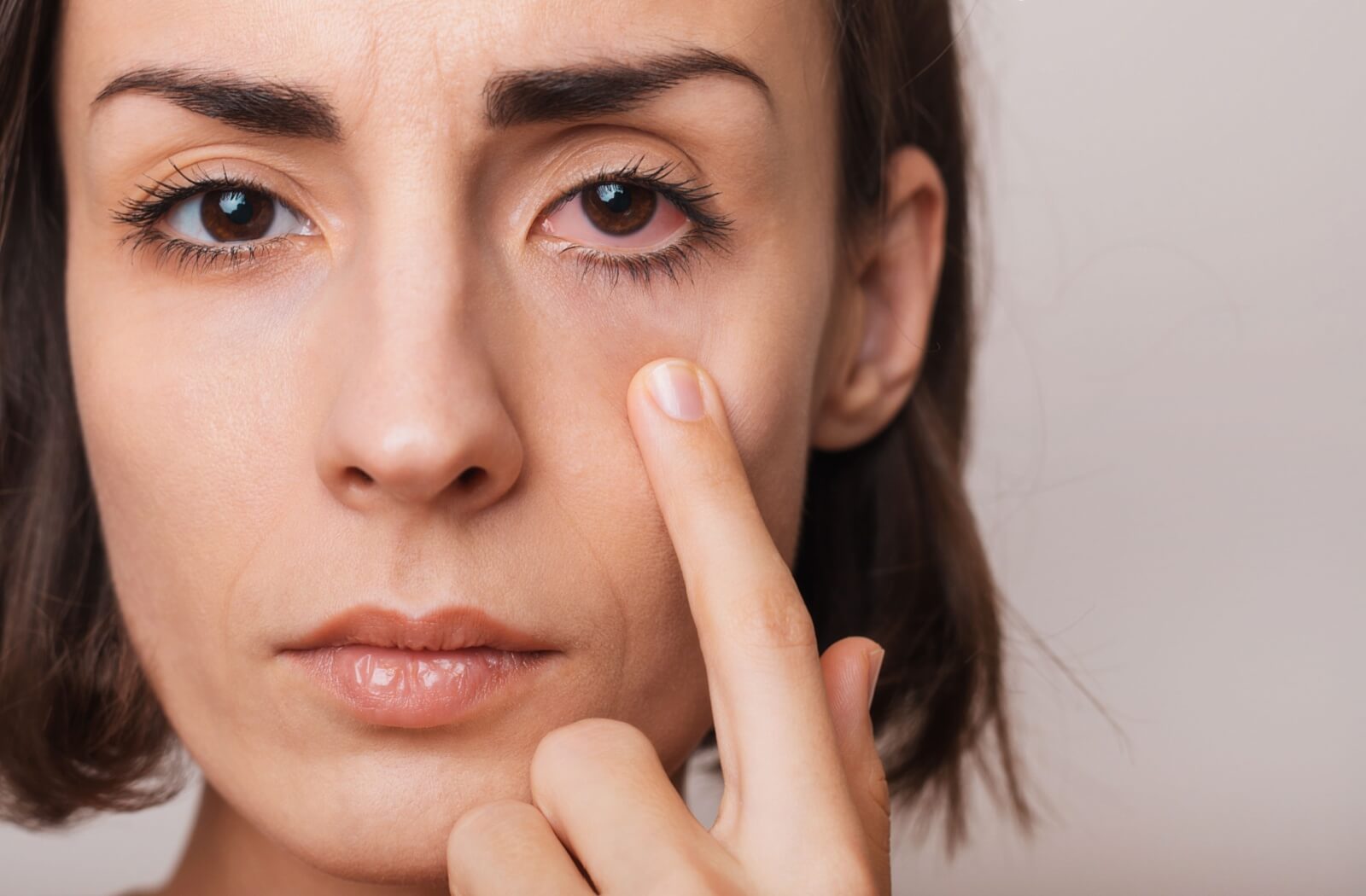
If you are dealing with discomfort, you may notice a few of these common signs, which usually affect both of your eyes. Pay attention if you notice:
- A scratchy, gritty, or stinging feeling.
- Redness or irritation.
- Stringy mucus in or around your eyes.
- Blurry vision or eye fatigue.
- A feeling like something is in your eye.
Why Are My Eyes Watery?
It might sound strange, but overly watery eyes can be a sign of dry eye. This is your body’s response to irritation: An overproduction of tears to try to compensate for the dryness. These tears often lack the right balance to properly lubricate your eyes, which is also why your eyes might burn when you cry.
Why Are My Eyes Sensitive to Light?
If you find yourself squinting in bright light or notice more glare while driving at night, it could be related to dry eye. An unstable tear film has trouble spreading light evenly across your eye’s surface, which can cause these visual disturbances.
Why Are My Contact Lenses Uncomfortable?
Your contact lenses may become uncomfortable or feel like they are drying out quickly. You might find you cannot wear them as long as you used to without feeling irritation, a common issue to discuss during a contact lens exam.
Causes of Dry Eye
Dry eye often happens when your tears are not doing their job correctly. It usually comes down to 2 main reasons: Either your glands aren’t producing enough tears, or the tears aren’t of good enough quality.
Not Enough Tears
Sometimes, your eyes just do not produce enough tears to stay moist. This can be related to age, certain medications, or various health conditions that an eye exam can help to detect.
Low-Quality Tears
Healthy tears have a specific balance of water, oil, and mucus. The oil comes from the tiny meibomian glands that line your eyelids. If any of these components are off, your tears can evaporate too quickly, leaving your eyes feeling dry even if you produce plenty of tears.
Everyday Triggers for Dry Eye
Certain situations and lifestyle factors can make dry eye symptoms appear or feel more noticeable. Pay attention to these triggers to notice if they might be making your symptoms feel worse:
- Screen time: You tend to blink less often when you focus on a computer or phone. This habit can lead to digital eye strain and can also prevent tears from spreading evenly across your eyes.
- Your environment: Dry, windy, or smoky air can cause tears to evaporate faster. This includes indoor spaces with air conditioning or heating.
- Age and hormones: As you get older, your tear production can decrease. Hormonal shifts, particularly if you are a woman, can also play a role in how moist your eyes feel.
- Health and medications: Some medications you take, like antihistamines and decongestants, are known to reduce your tear production.
Simple Ways to Find Relief at Home
You can make small changes to your daily routine that may help your eyes feel more comfortable. These simple habits can support your eye health and bring you some relief.
- Take frequent breaks from digital screens. Try the 20-20-20 rule: Every 20 minutes, look at something 20 feet away for 20 seconds.
- Add moisture to your air with a humidifier.
- Stay hydrated by drinking plenty of water throughout the day.
- Wear wraparound sunglasses to protect your eyes from wind and sun.
- Position your computer screen below eye level to reduce how wide you open your eyes, which can help slow tear evaporation.
When to Schedule an Eye Exam
If you’ve tried making changes at home but your eyes still feel irritated, tired, or painful, it’s a good idea to get a professional opinion. If you experience persistent symptoms, it’s worth booking a comprehensive eye exam to help determine the cause of your discomfort.
What to Expect at Your Appointment
At your appointment, the eye doctor can talk with you about your symptoms, health history, and lifestyle. They may perform specific evaluations to check the quantity and quality of your tears. This information helps create a personalized plan that fits you and your eyes, so you can get back to feeling comfortable.
See Our Team for Personalized Dry Eye Care
If you’re ready to find lasting relief from dry, irritated eyes, the team at Verona Vision Care is here to help. Schedule a visit to get a personalized plan and start seeing more comfortably.